
5 Common Mistakes to Avoid When Installing Acoustic Wall Panels
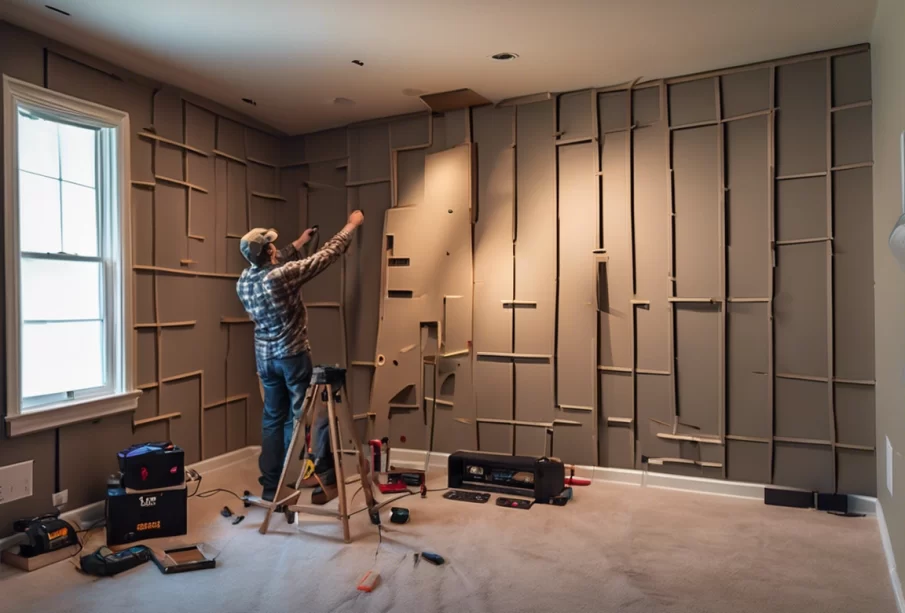
Acoustic wall panels are one of the simplest ways to improve a room’s sound quality. Be it for a home office, a music studio, or a commercial space, the right wall panels can absorb echo, reduce background noise, and make the room feel more comfortable.
That said, installing them isn’t as simple as sticking a few squares on the wall and calling it a day. A few common mistakes can reduce their effectiveness or even make the room sound worse. Here’s a guide to help you avoid those pitfalls so your panels work as intended.
1. Ignoring Room Acoustics Before Installation
One of the biggest mistakes people make is treating acoustic panels as a decorative add-on without considering the room’s acoustics first. Where the panels go, the type of material you choose, and the number of acoustic panels all matter.
Start by assessing your space:
- Room size and shape: Long, narrow rooms behave differently from square rooms. Sound waves bounce differently, creating problem areas.
- Material surfaces: Hard surfaces like tiles, glass, or concrete reflect more sound, so more absorption may be needed.
- Purpose of the space: Is it for recording, meetings, or general comfort? Each scenario has different requirements.
Skipping this step can result in uneven absorption. You might still hear an echo in some parts of the room, while other areas feel over-damped and unnatural. Taking the time to plan placement and coverage ensures your panels perform optimally.
2. Installing Too Few Panels
It’s tempting to think a few panels will make a huge difference, but acoustic treatment requires coverage. The right number depends on room size, ceiling height, and the type of noise you want to control.
- Small rooms: At least 3–6 panels placed strategically can help.
- Medium rooms: Around 6–12 panels are usually needed.
- Large rooms or open offices: 12 panels or more may be necessary.
The key is to place them where sound first hits — the first reflection points. For example, in a recording or conference room, this includes areas behind the speakers, opposite the sound source, and beside the listening position.
Too few panels won’t stop echo, and too many may over-dampen the space, making it feel “dead.” Finding the balance is crucial.
3. Choosing the Wrong Type of Panel
Not all acoustic wall panels are created equal. Different materials absorb sound differently and work best for specific frequencies.
- Foam panels: Lightweight and effective for mid to high frequencies, perfect for home studios or small rooms.
- Fabric-wrapped panels: Stylish and absorb a broader range of frequencies, suitable for offices, boardrooms, or living rooms.
- Wood slat panels with acoustic backing: Great for large spaces, combining design with high-performance sound absorption.
A common mistake is picking panels based solely on appearance or budget without considering performance. If you want to control bass, for example, foam alone may not cut it. Understanding the room’s acoustic needs ensures you invest in panels that actually work.
4. Poor Placement
Even high-quality panels won’t work if they’re placed incorrectly. Some people mount them randomly or in symmetrical patterns purely for aesthetics, which can reduce their effectiveness.
Here are placement tips:
- First reflection points: The spots where sound bounces off walls first, typically beside and behind the listener or speaker.
- Corners: Low-frequency energy often builds in corners, so bass traps or thicker panels work best here.
- Height matters: Ceiling-mounted panels or panels at ear level are often more effective than placing them too high or too low.
Avoid placing panels too close together or only in one section of the room. Balanced distribution is key to creating a calm, evenly treated acoustic environment.
5. Neglecting Aesthetics and Room Design
While functionality is critical, ignoring aesthetics can lead to panels that clash with your interior or feel like an afterthought. Poorly integrated panels may make a space feel cluttered or visually heavy.
Modern acoustic panels offer plenty of design options:
- Fabric colours and textures that blend or contrast with your décor
- Geometric shapes or patterns to create visual interest
- Wood finishes for warmth and sophistication
Integrating panels thoughtfully ensures they are both functional and visually pleasing. People are more likely to maintain and enjoy a space that looks good, which indirectly helps the panels do their job because they won’t be removed or moved haphazardly.
Bonus Tip: Professional Installation Can Save You Time
While DIY installation is possible, many mistakes happen during mounting, alignment, or selecting the wrong adhesive. A professional can:
- Assess the room’s acoustic profile
- Recommend the ideal type and number of panels
- Install them for maximum effectiveness
Even if you like a hands-on approach, consulting a professional first can save both money and frustration.
The Takeaway
Acoustic wall panels are a fantastic way to control echo, improve speech clarity, and create a more comfortable space. However, mistakes in planning, panel choice, placement, and installation can reduce their effectiveness.
Avoid these common errors:
- Skipping a room acoustics assessment
- Installing too few panels
- Choosing the wrong type of panel
- Poor placement
- Ignoring aesthetics
By keeping these points in mind, you can make sure your panels perform as intended, making your home, office, or studio feel calmer, more professional, and more comfortable.
Even small adjustments — like adding a few strategically placed panels — can transform a noisy room into a space where conversations flow naturally and work gets done efficiently. Acoustic wall panels are one of those upgrades that pay off every day, and avoiding these common mistakes ensures you get the most out of your investment.


