
How to Fix a Stubborn Pond Pump
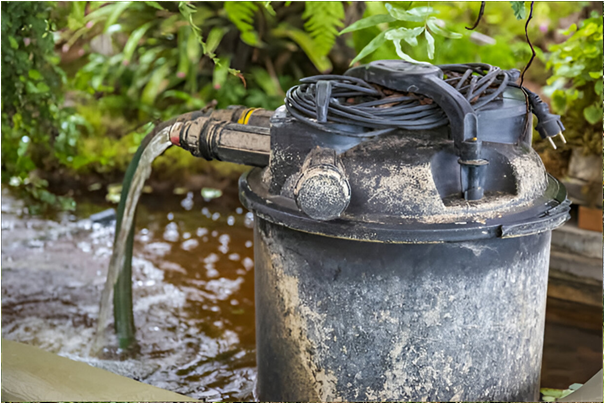
The idea of a broken pond pump may set a pond-owner in a panic mode, but don’t worry, because most problems can be mended. Whether it is a clogged impeller or an airlock, troubleshooting can often save you time and money.
Many professionals, such as That Pond Guy, suggest Evolution Aqua Pond pumps, which are said to be durable and easy to maintain the water circulation. They also stress the importance of regular maintenance as a factor that helps to prevent the sudden failure of sterility and the crystal clearness of ponds.
Is Your Pump Getting Enough Water?
One cause of pump failure is that it simply lacks water.
Obstructions due to debris such as leaves, mud, or even rocks may block water.
- Check for clogs – Disassemble the pump, run the impeller housing, and clean out any trapped debris.
- Inspect the intake – Make sure that the water inlet is not blocked, particularly when you have thick plant growth close by.
It may just need a quick clean to clear clogs in the pump.
Is the Impeller Damaged?
The heart of your pump is the impeller, and when it is faulty, water will not circulate properly.
- Test the clutch – Rotate the impeller blades; if they rotate freely, the clutch is broken.
- Replace worn parts – Impellers should be swapped out every couple of years to prevent sudden failures.
Luckily, most brands, including Evolution Aqua, offer replacement parts, so you don’t need a whole new pump.
Could It Be an Airlock?
Air bubbles can disrupt water flow in the pump.
- Reposition the pump – Tilt it gently to release trapped air.
- Check hose connections – Intermittent operation may occur when loose fittings allow air to creep in.
It is simple to fix the airlocks without realizing that it imitates other, more serious problems.
Is the Power Supply Faulty?
The electrical issues tend to be confused with pump failures.
- Test the outlet – Insert another device to ensure the flow of power.
- Inspect cords – Ripped or frayed cables pose a safety risk and should be replaced at once.
- Avoid extension leads – They may also lead to voltage failure, causing the pump to struggle or shut down.
When the pump hums but fails to operate, the problem may not be a mechanical one.
Is the Pump Overheating?
Submersible pumps use water to cool.
When they dry out, they will get too hot and burn out.
- Ensure full submersion – An exposed pump, to some extent, overheats.
- Let it cool down – In case you suspect overheating, unplug the pump, soak it in cool water, and restart.
Strange Noises? Check Vibrations
A noisy pump that is otherwise working might just need stabilizing.
- Place a foam mat – Reduces vibrations against the pond liner.
- Adjust positioning – Nudging the pump occasionally fixes the problem.
When to Call It Quits
If you find that all these steps do not work, your pump may not be repairable. Long-term hassle can be avoided by upgrading to a more efficient model, such as Evolution Aqua.
Pond pumps are tough, but not indestructible. Periodic care and timely repairs will not only lengthen their life but also keep your pond clean and your fish content.