
How Modular Operating Theatres Help Hospitals Increase Revenue
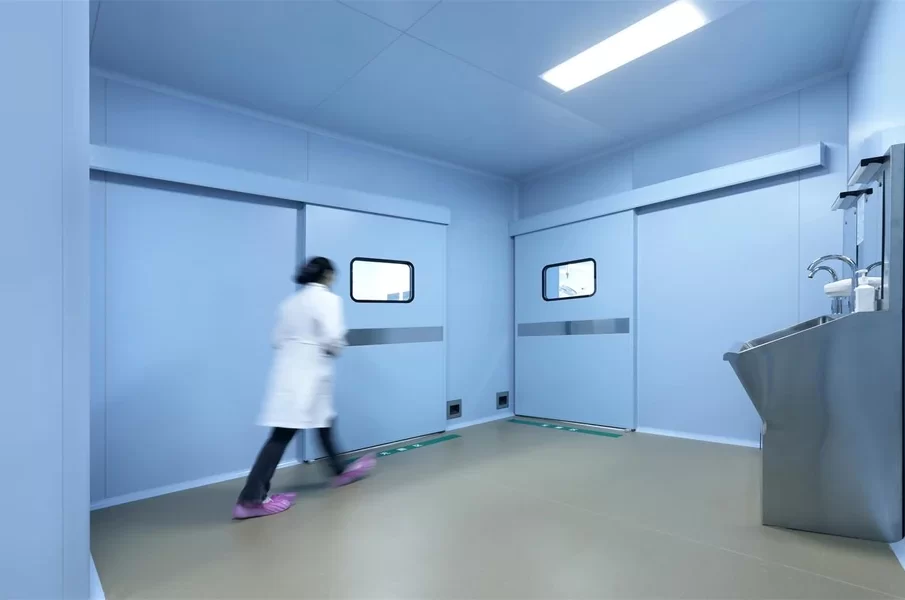
For hospitals, an operating theatre is more than a clinical space-it is one of the most valuable revenue-generating assets. Every successful surgical procedure contributes to hospital income while enhancing patient satisfaction and strengthening the hospital’s reputation. However, outdated operating rooms, inefficient workflows, and frequent maintenance issues can limit surgical capacity and reduce profitability.
As healthcare providers seek to improve operational efficiency, many are investing in modular operating theatre solutions. Beyond their clinical advantages, modular operating theatres can also deliver significant financial benefits by increasing surgical throughput, reducing downtime, and lowering operational costs.
In this article, we explore how modular operating theatres can help hospitals improve revenue and achieve a stronger return on investment.
Increase Surgical Capacity
Hospital revenue is closely linked to the number of surgical procedures performed.
Traditional operating rooms may experience limitations due to:
- Aging infrastructure
- Poor workflow design
- Frequent maintenance
- Long renovation periods
Modular operating theatres are designed to maximize operational efficiency. Their optimized layout, integrated engineering systems, and modern equipment support faster surgical preparation and smoother clinical workflows.
- Perform more surgeries per day
- Reduce operating room idle time
- Increase annual surgical capacity
Even a modest increase in daily procedures can generate substantial additional revenue over the lifetime of the operating theatre.
Reduce Operating Room Downtime
Operating rooms that are temporarily closed for maintenance or renovation directly impact hospital income.
Traditional renovation projects often require lengthy shutdowns, preventing hospitals from performing surgeries during construction.
Modular operating theatres significantly reduce downtime because:
- Components are prefabricated in factories
- Installation is faster
- Renovation generates less dust and disruption
- Individual components can be replaced without major reconstruction
This allows hospitals to resume surgical services more quickly and minimize revenue loss during upgrades.
Improve Operating Room Efficiency
Efficient surgical workflows help hospitals maximize the use of expensive operating room resources.
Modern modular operating theatres are designed to improve efficiency through:
- Optimized equipment positioning
- Integrated medical gas systems
- Smart control panels
- Ergonomic room layouts
- Better staff circulation
These improvements reduce unnecessary delays between procedures and allow surgical teams to work more effectively.
Higher operating room utilization translates directly into greater revenue potential.
Reduce Hospital-Acquired Infections
Surgical site infections (SSIs) increase treatment costs, extend patient stays, and consume valuable hospital resources.
Modular operating theatres improve infection control through:
- Seamless antibacterial wall panels
- Laminar airflow systems
- HEPA filtration
- Positive pressure ventilation
- Airtight construction
Better infection prevention can help hospitals:
- Reduce readmission rates
- Shorten patient recovery time
- Lower treatment costs
- Improve patient outcomes
Lower complication rates also enhance the hospital’s reputation, making it more attractive to both patients and healthcare professionals.
Lower Long-Term Maintenance Costs
Operating theatres require continuous maintenance to remain functional and compliant with healthcare standards.
Traditional construction may involve costly repairs due to:
- Damaged wall finishes
- Aging infrastructure
- Difficult equipment access
Modular operating theatres simplify maintenance by using:
- Replaceable wall panels
- Durable materials
- Accessible engineering systems
- Standardized components
Lower maintenance costs improve the hospital’s long-term financial performance while reducing disruptions to surgical services.
Support Hospital Expansion
As patient demand grows, hospitals must expand their surgical capacity without significantly increasing construction time.
Modular operating theatres offer a scalable solution that allows hospitals to:
- Add new operating rooms
- Expand surgical departments
- Build specialty surgery centers
- Upgrade existing facilities
Because modular systems can be installed faster than traditional construction, hospitals can begin generating revenue sooner from new surgical facilities.
Attract More Patients and Specialists
Modern surgical facilities help hospitals build a stronger market position.
Patients increasingly consider hospital infrastructure when choosing healthcare providers, while experienced surgeons prefer working in advanced operating environments equipped with reliable technology.
A modern modular operating theatre can help hospitals:
- Enhance their professional image
- Improve patient confidence
- Attract highly qualified surgeons
- Expand referral networks
These factors contribute to increased patient volume and long-term business growth.
Improve Return on Investment (ROI)
Although modular operating theatres require an initial investment, they often deliver strong long-term value through:
- Faster project completion
- Increased surgical throughput
- Reduced operational costs
- Lower maintenance expenses
- Longer infrastructure lifespan
The combination of higher revenue and lower operating costs improves the overall return on investment for hospital owners and healthcare investors.
For many hospitals, modular OT systems become revenue-generating assets rather than simply construction projects.
Ideal for Private Hospitals and Growing Healthcare Groups
Private hospitals operate in a highly competitive environment where efficiency and profitability are essential.
Modular operating theatres help private healthcare providers by enabling them to:
- Open new facilities faster
- Increase surgical capacity
- Control construction costs
- Improve patient satisfaction
- Expand into new markets
Healthcare groups planning multiple hospital projects can also benefit from standardized modular designs, reducing both project timelines and engineering complexity.