
Top 10 UK Suppliers of Fragrant Daylilies
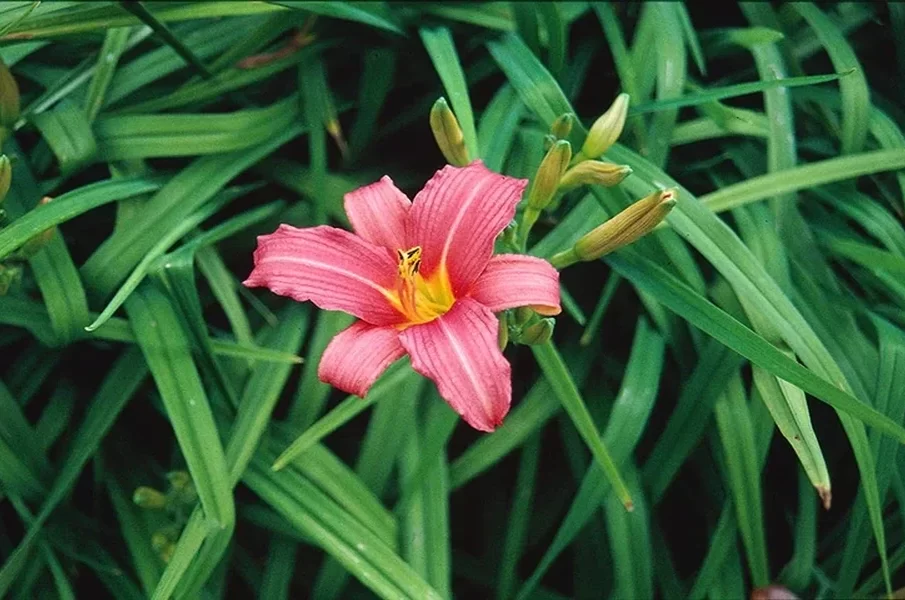
A scented flower belongs somewhere it can be encountered. Beside a seat, along the route to the shed, close to the turn of a path: an ordinary pause in the garden can give fragrance its opportunity. The daylily still needs the right growing space, but its place in daily movement deserves thought too. Ten UK suppliers below describe fragrant named plants, from an early yellow species to a red unusual form and a scented double. Their offers suggest different encounters through the season. None has been assigned a perfume score; the starting evidence is each supplier’s own scent description.
What counts as evidence of fragrance?
Only a named offer explicitly described as fragrant qualifies. After that, season, height and flower form suggest how the plant might be approached, while format and availability determine the purchase. Hyperion begins the sequence with an evocative scent description; contrasting flowers and alternative sources of the early species follow. The order explores ways to enjoy documented fragrant plants, without pretending the catalogue descriptions form a measured scale of scent strength.
1. Swallowtail Daylilies
For a British gardener seeking a scented summer pause, the Daylily plants for sale include Hyperion, whose perfume the nursery likens to honeysuckle. That comparison gives the imagination something to work with. It remains the seller’s sensory description, but it offers a more particular invitation than simply a tick beside the word fragrant.
Its 40-inch stems, approximately a metre, lift the flowers into a tall border presence. Picture that beside a route used often, with room for the clump and access to the flowers. The height could make Hyperion part of the familiar view during an everyday walk. A distant corner would ask someone to make a special trip to encounter the scent described.
The nursery places it in mid-season and notes a relatively brief flowering period. Hyperion can be considered as a particular scented interlude within the summer, with other plants carrying the interest before and afterwards. That gives the tall flower a defined role near a route used often enough to notice its season. Pot-grown plants provide the starting material for establishing it there.
2. Claire Austin
The early yellow species Hemerocallis lilioasphodelus provides a different answer. Claire Austin describes fragrant flowers in May and June, with a height and spread of 60cm, and offers a 1-litre plant. Its appeal lies partly in that earlier place in the season.
May and June bring their own opportunities to stop. A scented yellow flower near a regularly used path could become part of the early-summer picture before later plants take over. Claire Austin’s 60cm height and spread give the clump a clear allowance, while the 1-litre pot provides its starting format. The attraction is the early species in an accessible place, with later flowering plants elsewhere to continue the interest after its season.
3. Strictly Daylilies
Curly Cinnamon Windmill combines scent with conspicuous shape. Strictly’s description gives yellow flowers with a cinnamon eye, a height of 71cm and blooms 22cm across, as well as fragrance. The curling spider form makes this a candidate for a gardener who wants close-up floral detail and scent in the same plant.
The curling petals give someone approaching for the fragrance another reason to linger. A 22cm span is a substantial flower, even where its open outline lets the background show through. The cinnamon eye adds a detail to find within the yellow. Strictly supplies bare-root divisions, so that is the material to expect; the close encounter being planned combines scent with a flower whose shape is already worth investigating.
4. New Hope Daylilies
Fragrant does not confine the palette to yellow. New Hope lists Red Suspenders with fragrant red unusual-form flowers, 81cm stems and a striking 28cm bloom diameter. The crispate form introduces pinched and curling detail, while the red colour gives it an obvious role in a warmer or more dramatic planting.
Red Suspenders opens the scented search into a more assertive palette. The large flower could reward a close look at the curled and pinched details before its fragrance is even noticed. Both attractions belong to the same named plant, so a warm-coloured border can accommodate scent without adding a pale flower solely for that purpose.
New Hope supplies the plant as two to three bare-root fans. Set aside a position where there is room for the clump and a clear approach to its expansive flower. Red Suspenders could become the scented stop in a warm-coloured planting, with the pinched and curled petals making the pause visually rewarding as well.
5. New Forest Hostas & Hemerocallis
Heavenly Flight of Angels is a scented spider with a different visual character: yellow-green flowers edged white, on stems listed at 99cm. The pale flower and tall stature make it a candidate for someone who wants fragrance lifted above lower planting, with an open form rather than a dense rounded bloom.
The product is out of stock. For an immediate order, that is decisive. It remains a useful enquiry for a reader specifically drawn to a pale, nearly metre-high scented spider, because substituting any available scented daylily would lose that combination. The nursery grows its plants in Hampshire, and replenishment would need confirming directly before a purchase is planned.
For a flexible planting plan, that pale, nearly metre-high scented spider could be worth waiting to obtain. For a space that needs filling now, its unavailable status changes the order immediately. The choice depends on how essential the combination is: scent alone is represented elsewhere, while this particular height and pale open flower are the reasons to ask about Heavenly Flight of Angels.
6. Macplants
Marion Vaughn appears in Macplants’ range as a fragrant, pale-yellow, star-shaped daylily with a green throat. The nursery gives it 85cm of height, 75cm of spread and a July-to-September flowering range. Those details describe a fairly substantial clump with a later seasonal position than the early species above.
Near a terrace used in later summer, Marion Vaughn’s pale star-shaped flower could give fragrance a place in the evening view. The July-to-September range supplies the seasonal setting, subject to conditions, and the 75cm spread needs a generous position. Its open shape and green throat keep the plant interesting even when scent is not the first thing noticed. It is an offer for someone who wants those qualities together.
7. Burncoose Nurseries
Burncoose provides another route to fragrant H. lilioasphodelus, this time in a stated 1.5-2-litre pot range. The species’ yellow flowers are the scented offer; the pot capacity is the buying distinction from Claire Austin’s 1-litre option and the smaller Crocus format discussed later.
Once lilioasphodelus is the desired plant, the starting format can settle the nursery choice. Burncoose supplies a medium potted option between the smaller offers discussed elsewhere. Keep the whole 1.5-2-litre range in mind when comparing the order, then check the delivery terms for the address. The scented yellow species stays the focus, allowing a practical purchasing decision without having to restart the search for a different flower.
8. Farmyard Nurseries
With Double River Wye, fragrance comes in a layered flower. Farmyard describes scented double lemon-yellow blooms and sells the plant in a 2-litre pot. The nursery’s 65cm height estimate places it below the taller Hyperion and Heavenly Flight of Angels examples, while the double form gives it a different visual weight.
A fuller lemon flower creates a different kind of close view. The layers draw attention towards the centre, while Farmyard’s scent description adds another reason to put it within reach. July to September is the nursery’s stated flowering window. Among the simpler yellow species repeated in this list, Double River Wye offers a more layered flower for the same sort of pause beside a path or seat.
9. Cotswold Garden Flowers
Cotswold also lists H. lilioasphodelus as scented, describing pale yellow flowers and a height of 75cm. Its April-to-June calendar reaches further into spring than Claire Austin’s description. That difference should remain visible as a supplier estimate rather than be combined into a new universal flowering promise.
The nursery offers a further source for a deliberate early-species planting. A reader already committed to lilioasphodelus can compare this offer with the other named options, keeping availability and the intended purchase date in view. The decision is about obtaining the scented plant through a suitable nursery. Its pale yellow flowers and early calendar can remain the design priorities while the practical order is settled.
10. Crocus
The Crocus product description explicitly calls H. lilioasphodelus fragrant and offers it in 9cm pots, singly or as a group of three. This brings a smaller supplied format into the comparison of sources for the yellow species. It is more specific than relying on a broad fragrance filter that might contain many unrelated plants.
Three eventual clumps could place the same fragrant species at several points along a route, provided each has sufficient room. Crocus’s small-pot group makes that a defined purchase to consider. It does not establish an immediate level of scent from young plants. What the pack offers is repetition of the named species, allowing the garden to provide more than one place where its flowers might be approached.
Choose the encounter as well as the flower
Think about where the daylily will be approached. A tall Hyperion, a low-to-middle early species and the large unusual bloom of Red Suspenders invite different placements. The decision is more useful when scent sits alongside height and flower form, rather than replacing them.
The most promising position may be somewhere already visited every day. Let the flower join that habit: an early yellow species in May or June, Hyperion for its brief mid-season interlude, or Marion Vaughn later in summer. Catalogue descriptions can suggest the invitation. The actual encounter will depend on the day, the garden and the person who stops beside the flower.
Source note: Nursery and retailer product descriptions provide the fragrance claims and cultivar specifications, with ordering conditions checked separately. Sensory wording remains attributed to the seller; the comparison does not assign measured perfume scores.