
Industrial Canteen for Rent in Singapore for Business Opportunities
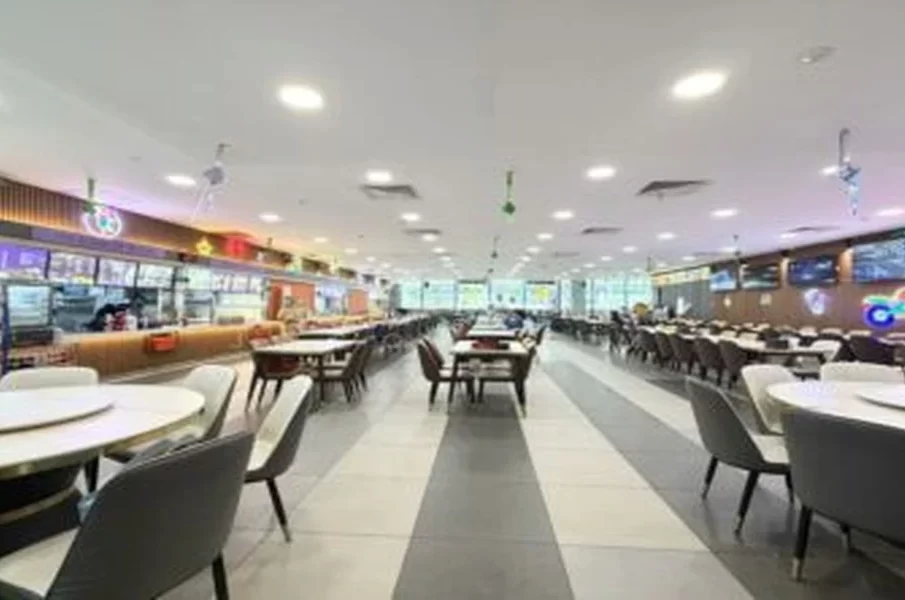
An industrial canteen for rent in Singapore offers a food and beverage business model that most operators overlook entirely. The mainstream food service market in Singapore is intensely competitive, rent-heavy, and demanding on marketing resources to generate consistent customer traffic. An industrial canteen operates on a completely different logic: a captive customer base drawn from the workers in the surrounding estate, lower rents than retail food service locations, and a business that functions on the predictable rhythm of the working week rather than the unpredictable foot traffic patterns of a shopping mall or high street.
How the Industrial Canteen Model Works
Industrial canteens in Singapore are food and beverage facilities located within JTC industrial estates, serving meals primarily to the workers employed in the factories, warehouses, logistics facilities, and industrial operations in the surrounding area. The canteen may be a standalone structure within the estate grounds or occupy a dedicated ground-floor space in a flatted factory or industrial building.
The operator runs the canteen under a licence or tenancy arrangement with JTC or its managing agent rather than under a standard commercial lease. This arrangement comes with conditions – around food pricing, operating hours, and the range of food types that must be available – that reflect JTC’s responsibility for the welfare of the working population in its estates.
The customer base is largely captive. Workers in industrial estates have limited food access alternatives during their lunch break or meal times, and a well-run canteen that provides good food at reasonable prices builds reliable daily patronage without advertising. The same workers return daily, week after week. This predictability of demand is the canteen model’s most commercially distinctive characteristic.
The Business Case for Industrial Canteen Operations
An industrial canteen for rent in Singapore presents a business case that looks quite different from conventional food service when examined carefully.
Rent costs are substantially lower than comparable-size food service spaces in retail or commercial locations. Industrial estate rents reflect the industrial use class of the property rather than the premium commanded by high-foot-traffic retail locations. An operator paying industrial canteen rent can be commercially viable at price points appropriate to blue-collar workers rather than needing to target higher-spend customers to cover costs.
Customer acquisition cost is effectively zero. The workers are already there. They need to eat. A canteen that is open, clean, and serves food that people want to return for generates repeat business through performance rather than through marketing spend.
Operating complexity is lower than extended-hours food service. The canteen’s schedule is tied to the surrounding estate’s working hours. Breakfast and lunch service, sometimes dinner where shift work creates evening demand, and closed on weekends in many estates. This predictable schedule allows better production planning, lower food waste, and a more manageable staffing model than all-day dining operations.
Competition is limited. An industrial canteen typically does not face the direct head-to-head competition that characterises food court and high-street food service. The estate’s workers may have one or two food access options during working hours. Being one of those options, rather than one of thirty, changes the commercial dynamics substantially.
What JTC Requires from Canteen Operators
JTC industrial canteen operators in Singapore operate under conditions that reflect the public service character of the canteen’s role in the estate community.
Key requirements typically include maintaining a range of affordable cooked food options at prices accessible to manual workers, often with specific price caps on staple items. The operator must hold a valid Singapore Food Agency food shop licence and maintain the facility to SFA hygiene standards. Operating during the prescribed service hours is a condition of the licence, not optional.
These conditions are not onerous for a competent food operator. They define the operating parameters rather than undermining commercial viability. The price caps on specific items do not prevent the operator from also offering additional items at unregulated prices. The hygiene standards are the same standards a responsible food operator would maintain regardless.
As Senior Minister Teo Chee Hean has noted in discussions on the management of Singapore’s industrial estates, “JTC’s industrial estates are working communities, and the facilities within them, including canteens, are part of what makes those communities function well for the people who work there.”
Finding Industrial Canteen Opportunities
Industrial canteen opportunities in Singapore are not widely publicised through conventional property channels. JTC manages canteen licences and tenancies through its estate management processes, and availability is communicated through JTC’s own channels rather than through commercial property portals. When an existing canteen operator’s licence expires or a new estate canteen is being established, JTC either calls a tender or works directly with shortlisted operators.
Working with a property consultant who understands JTC’s industrial estate management processes and has existing relationships with JTC estate managers is the most reliable way to become aware of industrial canteen rental opportunities in Singapore before they reach open tender, or to prepare a competitive tender submission when they do.
A Business Worth Considering
For food and beverage operators with the right operational background and a realistic understanding of what the industrial canteen model involves, an industrial canteen for rent in Singapore offers a business opportunity that rewards quality and consistency above all else. In a market where the same customers return every working day, reputation is built entirely through what is on the plate and how the place is run. That is a simpler and more sustainable competitive position than most food service businesses ever achieve.


